
This year’s theme, “Housing is a Human Right. Build It.” is both a statement and a call to action.
Selected by the International Union of Architects in response to the global housing crisis, the theme asks architects to look beyond conventional practice. Design matters, but so do research, advocacy, policy, affordability and equitable access to the built environment.
At Figurr Architects Collective, we see housing as more than a building type. It is a foundation for health, dignity, stability and belonging.
From Recognition to Action
Recognizing housing as a human right is an important starting point. Delivering on that right requires practical action.
Across Canada, communities need housing that reflects a wide range of circumstances: supportive and subsidized housing, family-oriented and accessible homes, rental apartments, missing-middle housing, and options suited to urban, rural, northern and remote communities.
No single project or design strategy can address every need. Progress depends on architects, governments, housing providers, developers, builders and communities working together. It also means considering affordability over a building’s full life, including energy use, maintenance, durability, transportation and the daily costs residents carry.
Designing for Affordability, Sustainability and Community
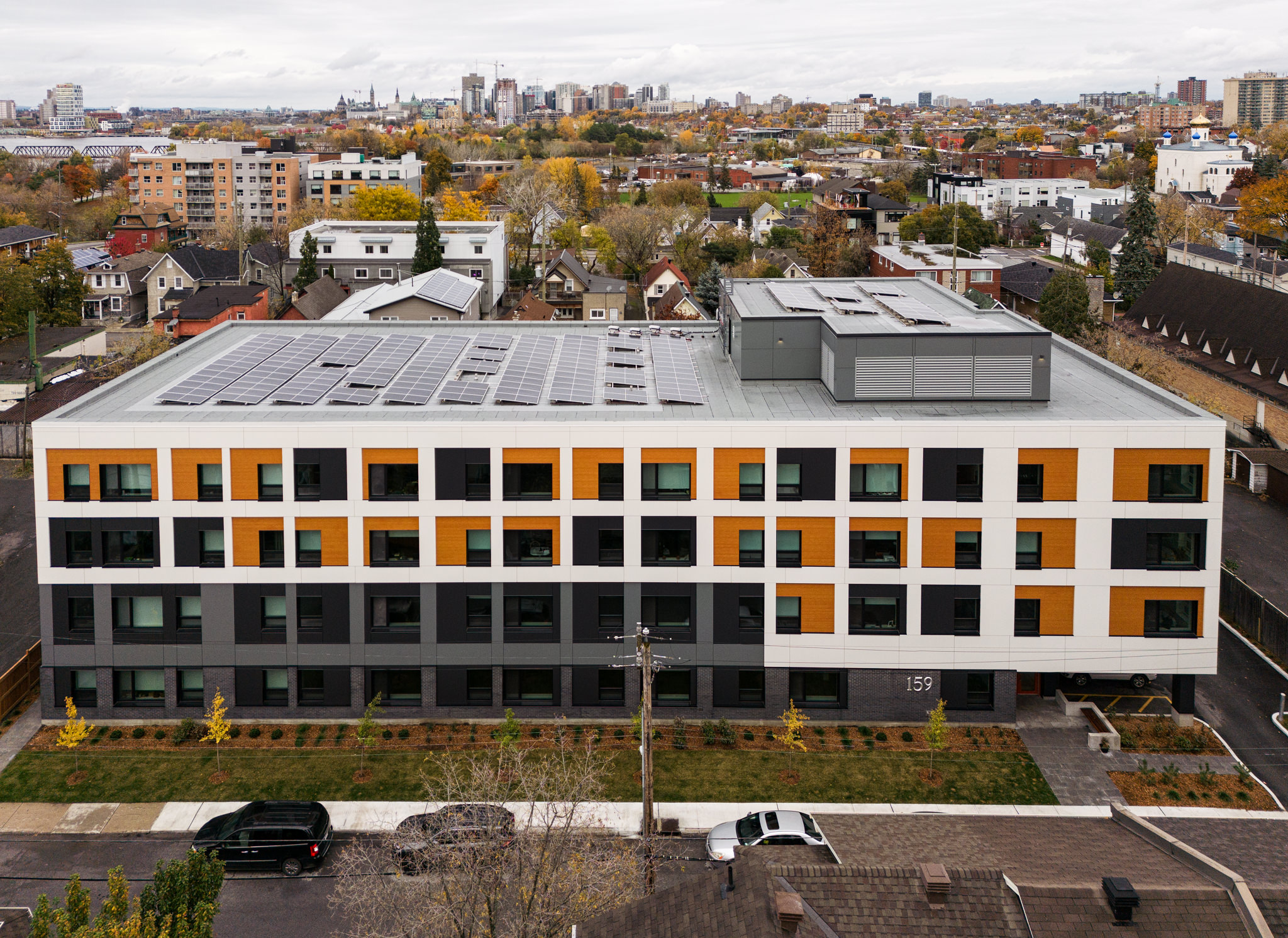
The 159 Forward Avenue affordable housing project in Ottawa shows how these priorities can reinforce one another.
Designed for the Centretown Citizens Ottawa Corporation and Cahdco, the 49-unit building offers family-oriented apartments at average market, below-market and shelter rates. All apartments are accessible, with 16 barrier-free units. Community gardens, bicycle storage and shared outdoor space support daily life beyond each home.
Designed and tested to meet Passive House performance requirements, the building uses an airtight, highly insulated envelope, triple-glazed windows, heat recovery and compact massing to reduce energy demand and help lower monthly living costs. Located 500 metres from an LRT station, it demonstrates that affordable housing can also be sustainable, transit-connected and thoughtfully integrated into an established neighbourhood.
Listening Before Designing
A home must respond to more than technical standards. It must support the people who live there, their routines, priorities and understanding of community.
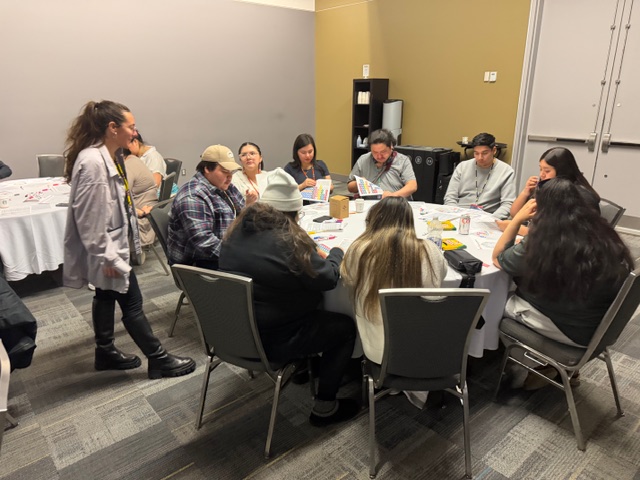
At the 2026 Higher Learning, Building Capacity conference, our team collaborated with the Cree Nation Government on a “Homeownership & You” workshop for Cree students. Participants mapped a typical day, considering how they cook, gather, work, spend time outdoors and connect with family. They then translated those needs into potential home designs while exploring construction costs, housing subsidies and monthly payments.
The exercise reinforced a fundamental part of our approach: before drawing plans, we need to listen. Engagement helps transform housing from a standardized product into a place that reflects how people live and how their needs may change. In our work with Indigenous communities, this means respecting local knowledge and cultural priorities, and recognizing each community’s leadership in decisions about its future.
Building Better Ways to Build
The scale of the housing challenge also requires the industry to examine how homes are delivered.
Prefabrication and modular construction can improve precision and quality control, reduce material waste, and help address labour and logistical constraints, particularly in remote communities and regions with short construction seasons.
Figurr’s work with Caivan and the Advanced Building Innovation Company included a manufacturing facility where robotic systems produce prefabricated residential panels. The project explores how technology and controlled manufacturing can support more consistent and efficient homebuilding.
Innovation is not an end in itself. Its value lies in better outcomes: durable homes, responsible resource use, predictable delivery and housing that remains affordable to operate.

A Shared Responsibility
Figurr has worked with community housing organizations including the Centretown Citizens Ottawa Corporation, Multifaith Housing Initiative, Habitat for Humanity and Ontario Aboriginal Housing Services. These relationships have taught us that architects contribute most effectively as part of a larger collective.
We can test new housing models, help clients assess sites and construction systems, consider long-term operating costs, and advocate for accessibility, sustainability and design quality. Most importantly, we can listen to the people and communities whose lives our decisions shape.
Architecture alone cannot solve the housing crisis. But architects have a responsibility to bring our knowledge, creativity and influence to the work ahead.
We are ready to keep listening, learning and building together.