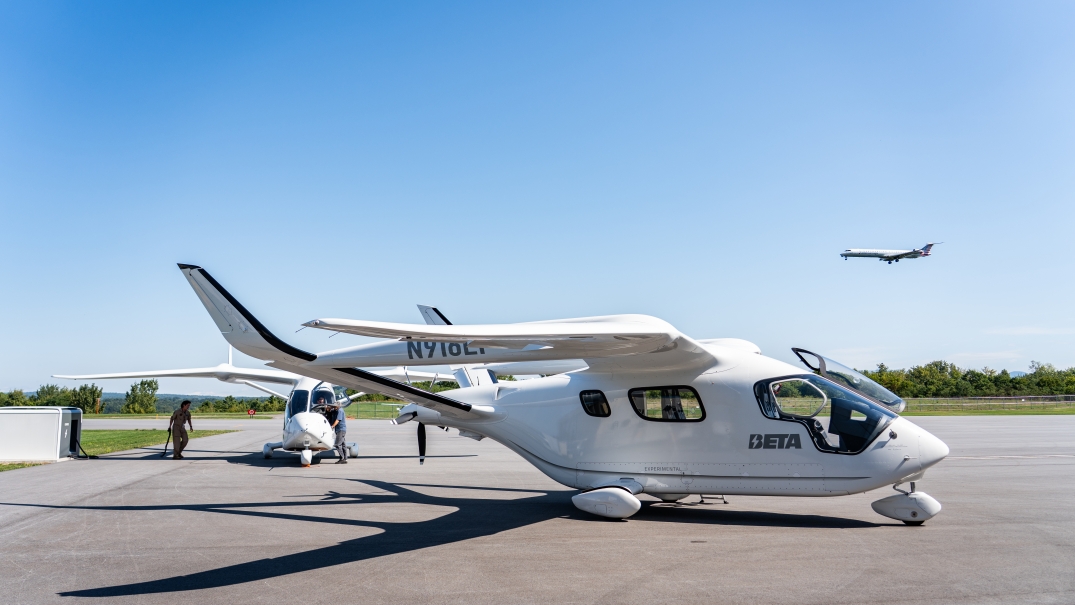
Eighty years ago, in the midst of global conflict, a group of visionaries gathered in Chicago to imagine a future where aviation would unite rather than divide. From that meeting on December 7, 1944, came the International Civil Aviation Organization—a bold commitment to safety, equality, and progress. This month, as we celebrate International Civil Aviation Day, we’re reminded that their vision wasn’t just about airplanes; it was about creating systems that serve humanity. And now, that vision is evolving in extraordinary ways.
This September, I had the privilege of seeing that evolution firsthand during a Canadian Advanced Air Mobility (CAAM) delegation trip to Bromont, Quebec, and Burlington, Vermont. These visits revealed how companies like Unither Bioélectronique and BETA Technologies are redefining what aviation can do—not just for transportation, but for healthcare, communities, and the planet.
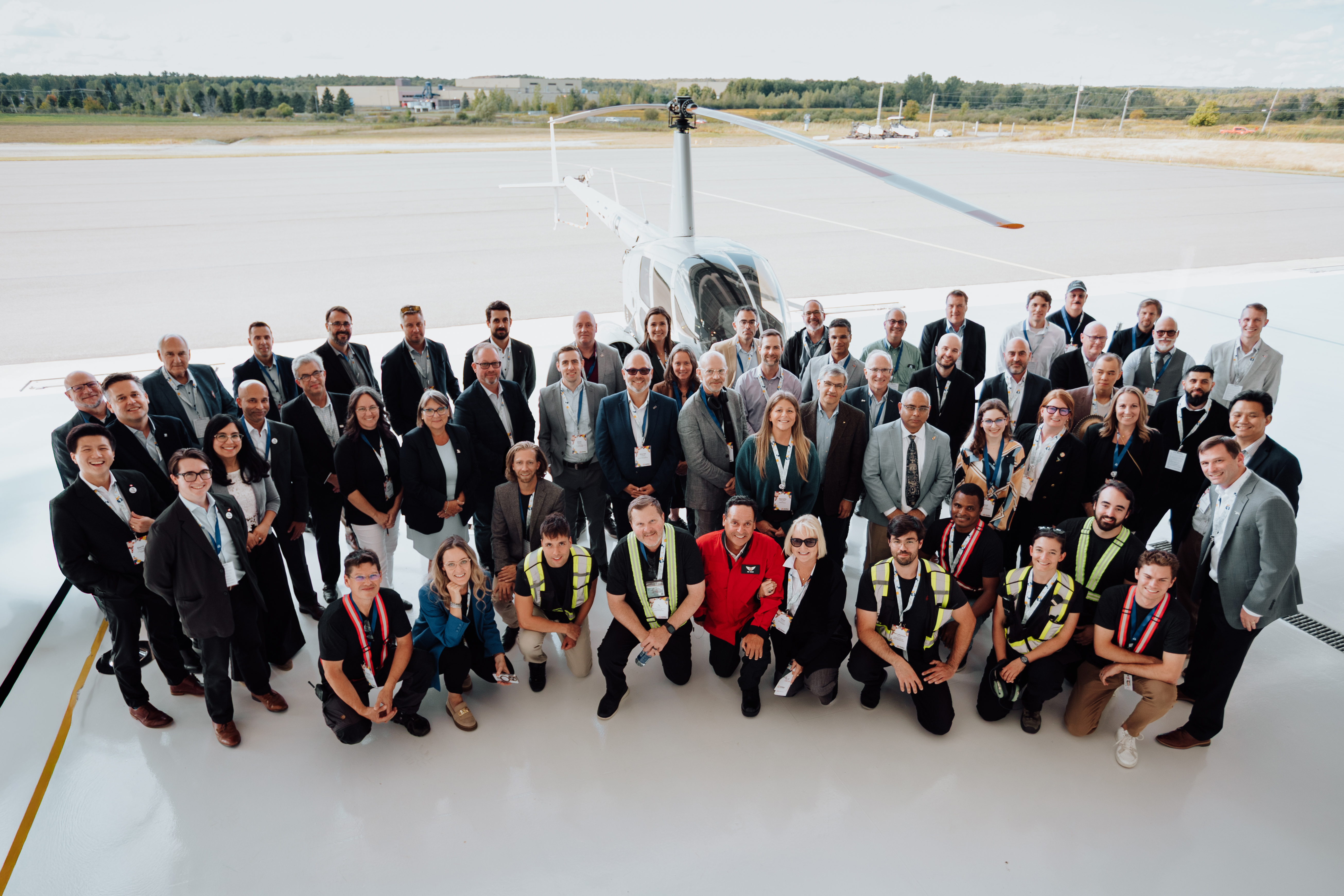
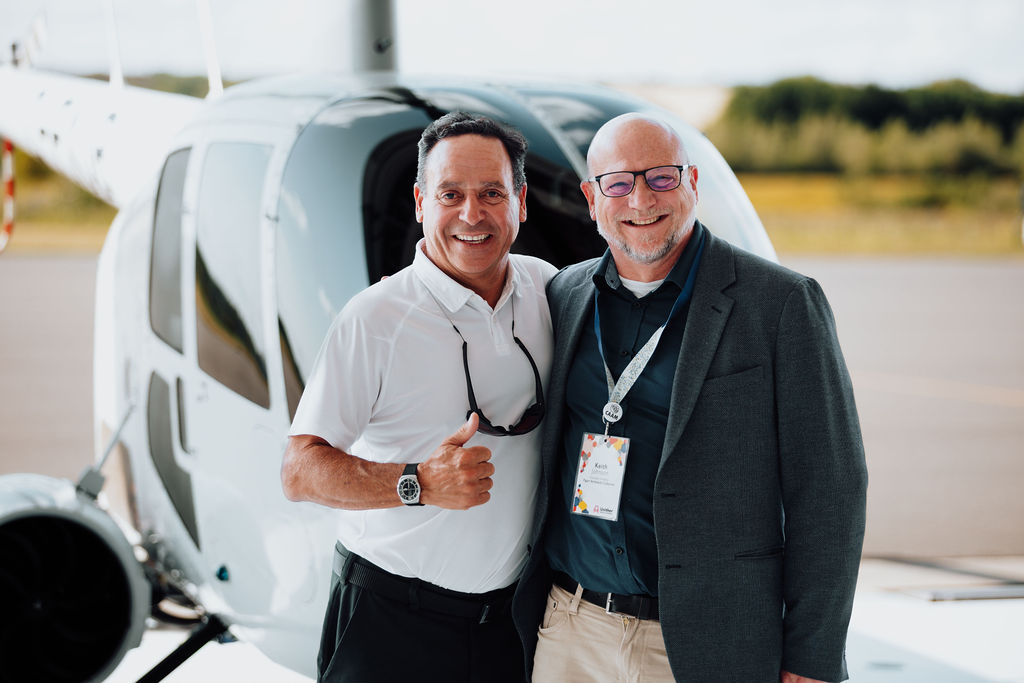
At Unither Bioélectronique in Bromont, we saw their hydrogen conversion technology in action. Their mission, "We fly for life," reflects their goal of delivering bioengineered organs to patients in need. The hydrogen technology is one approach to making that viable at scale. In Burlington, BETA Technologies demonstrated its operations. Founded in 2017 when Dr. Martine Rothblatt of Unither challenged (now) BETA’s Kyle Clark to build a zero-emissions aircraft for organ delivery and establish what Sustainable Skies called "an efficient, environmentally friendly distribution system" for synthetic organs, they have developed both electric Vertical Takeoff and Landing (eVTOL) and electric Conventional Takeoff and Landing (eCTOL) aircraft, installed charging infrastructure across North America, and launched pilot training programs.
Clark shared his philosophy with the delegates: design for simplicity. BETA manufactures nearly everything in-house, applying first-principles engineering. I’m reminded of architect Mies van der Rohe’s phrase, “less is more,” which emphasizes simplicity and functionality in design. His philosophies have shaped a generation of modern designers across a wide range of disciplines, including, it appears, aviation design. Simpler systems have fewer failure points, and in aviation, that matters.
Clark shared that he and the rest of the staff test-fly the aircraft themselves. It’s crucial to BETA that everyone on their team gets a feel for how the machine will operate. This cross-functional approach ensures that everyone understands how their work will affect the operation.
"We fly what we build."
BETA’s motto is critical to ensuring that their designs will eventually serve the public in a meaningful way.
During our visit, BETA took a few CAAM delegates for a flight in their ALIA CTOL over Burlington and Lake Champlain. By all accounts, it was an unconventionally quiet, smooth flight. It was a privilege to tour these inspiring companies and discuss a future of aviation that seems not too far away. As an architecture firm, we’re always musing about how our designs will positively impact people and communities. We are excited about what this new technology will bring for our clients and society.
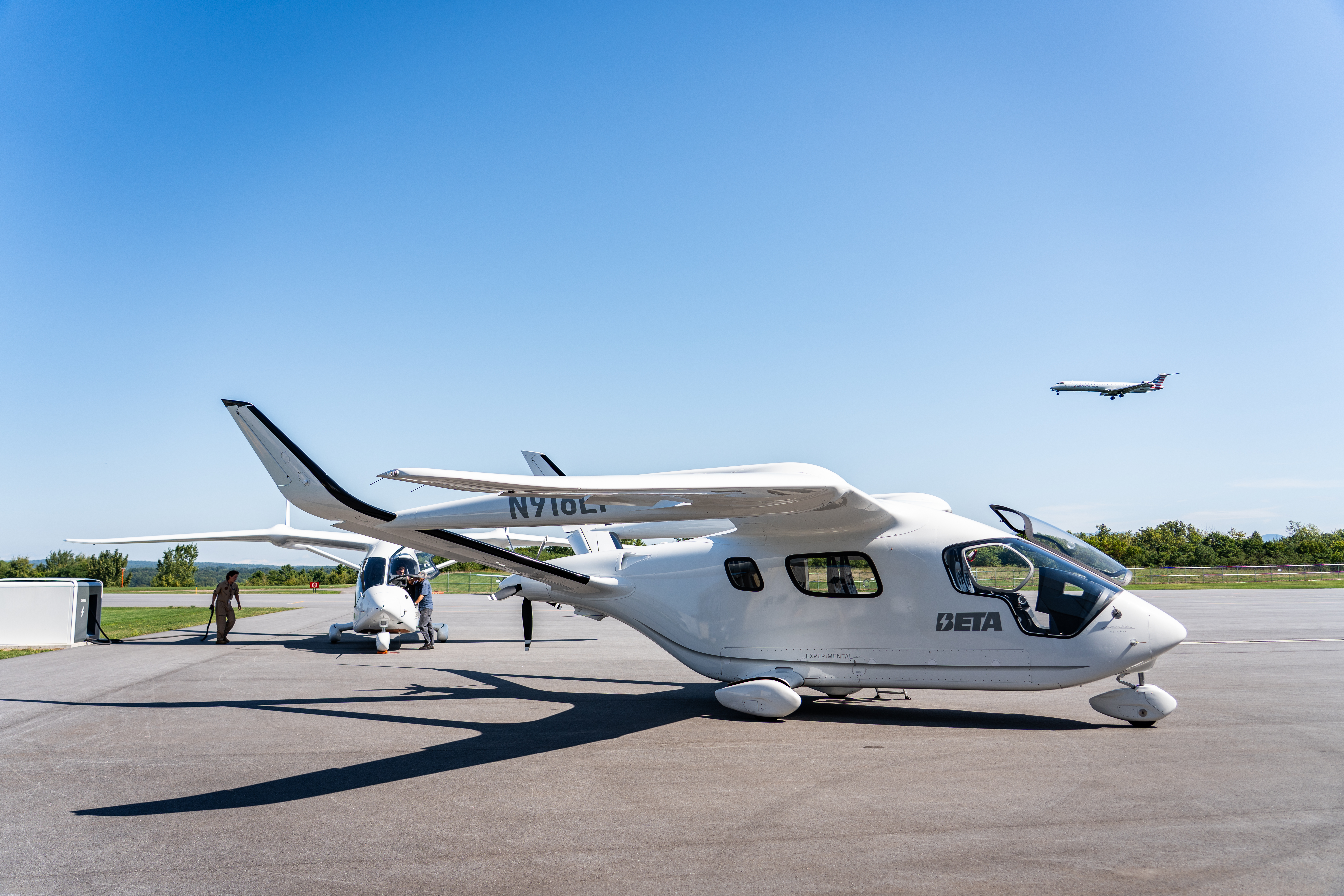
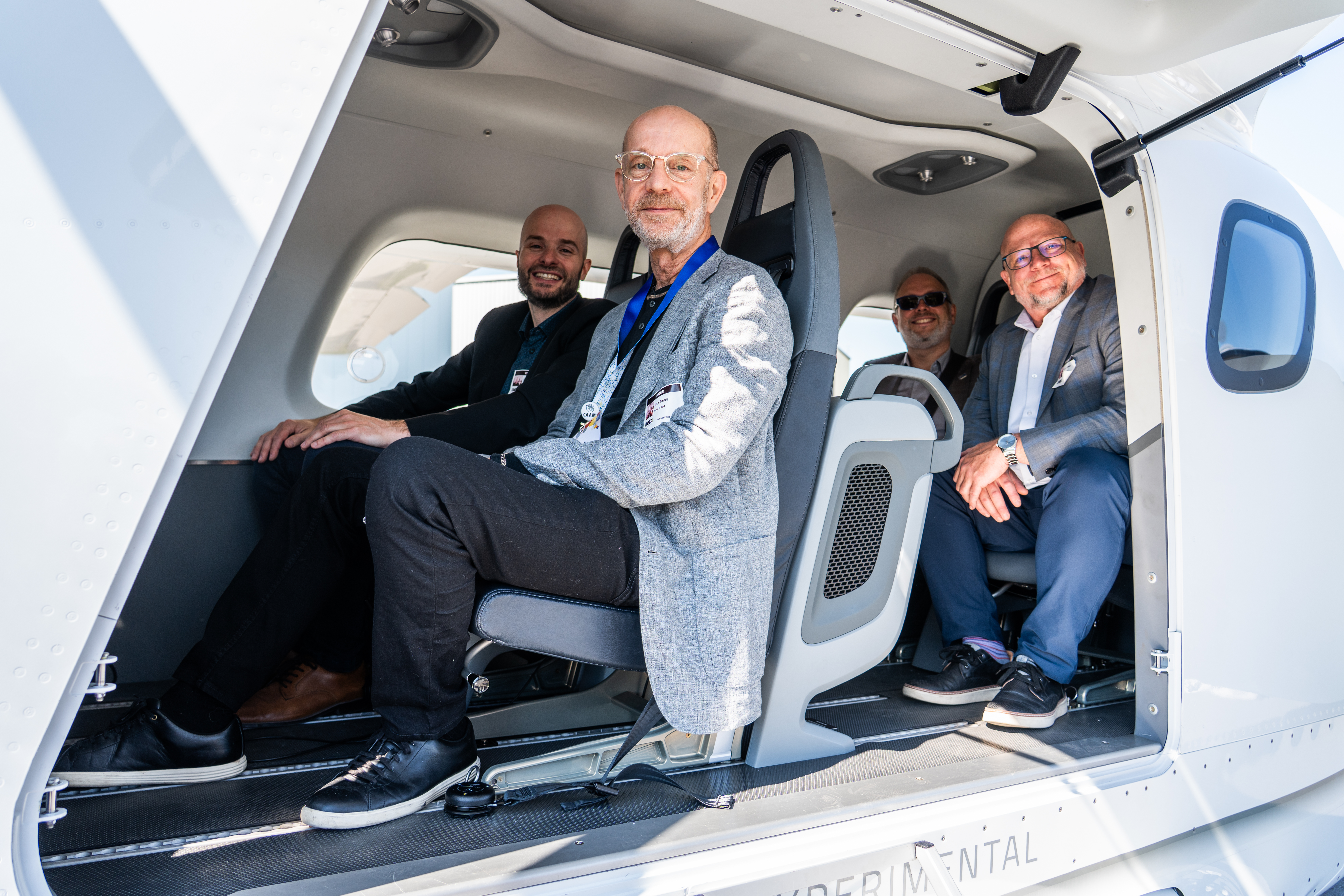
What struck me was not only the sophistication of the technology but its purpose. BETA uses aviation to improve humanity by creating infrastructure that enables electric flights. Unither specializes in delivering bioengineered organs to patients and partners with companies like BETA to help solve delivery issues.
The larger goal is to democratize healthcare through sustainable infrastructure for transporting artificial organs. Achieving universal access means transportation systems that efficiently and affordably reach everyone, everywhere. Historically, aviation was designed to be safe, reliable, and cost-effective, serving communities equally. That was the vision of 1944. Today, companies like BETA and Unither are working towards that same mission.
Eighty years after those delegates gathered in Chicago and chose to imagine aviation’s future, we’re watching it take shape. The next chapter isn’t just about flying farther or faster—it’s about using aviation to serve humanity in ways that were once unimaginable.