
Human Factors and the Evolving Training Environment
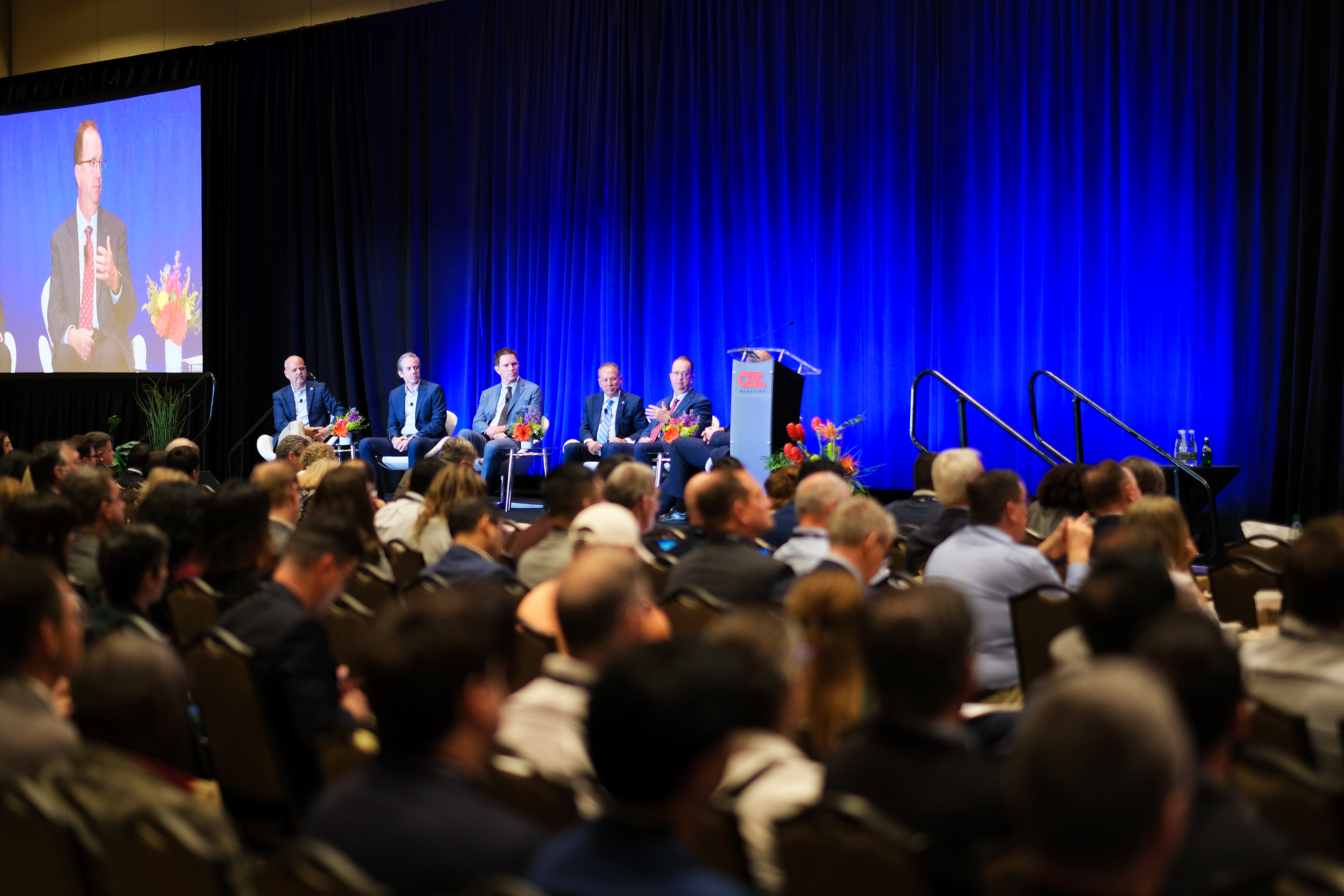
One of the strongest themes was the growing importance of human factors in aviation training. Increasingly, conversations extended beyond physical environments and simulator technology to include communication, mindfulness, engagement, and training culture itself.
Today, training environments are expected to support more than technical competency. They must also foster engagement, confidence, and optimism about long-term careers in aviation. This includes creating spaces that support what some describe as “mental push-ups” — opportunities for reflection, decompression, peer discussion, and cognitive reset. These elements are becoming an important complement to simulator hours and classroom learning, reinforcing resilience and sustained performance.
From Ab Initio programs to recurrent pilot training, communication remains a foundational concern throughout the industry. Clear communication between instructors, trainees, operators, and systems is essential — not only for effective learning, but ultimately for operational safety and smooth airline operations.
A notable anecdote shared during an Ab Initio session highlighted the value of mentorship within training environments. Younger professionals often bring a strong understanding of emerging technologies and the ability to navigate continuously evolving interfaces. At the same time, more experienced team members contribute years of operational knowledge and practical lessons learned on the job. Creating opportunities for this exchange of knowledge helps bridge the gap that can emerge after formal education, ensuring individuals remain adaptable and current. More importantly, fostering a culture where individuals at all levels feel comfortable asking questions, sharing perspectives, and learning from one another strengthens collaboration across the entire organization.

Instructor Alignment and Training Consistency
Another key topic was instructor calibration and the standardization of training delivery. Across organizations, there is an increasing focus on ensuring consistency in both instruction and competency evaluation.
As training technologies evolve and organizations expand, maintaining alignment between instructors, procedures, and expectations becomes increasingly important. Consistency not only improves learning outcomes, but also reinforces safety standards across fleets, regions, and training programs.
At the same time, the pace of technological change continues to challenge organizations to balance innovation with operational reliability and consistency. New tools and systems are creating opportunities to revisit long-standing assumptions — including space allocation, power demands, adjacencies, and critical infrastructure requirements — and to challenge conventional approaches to training environments.
How Figurr Supports the Industry: The Hidden Complexity Behind Training Expansion
Modern aviation training centres are highly specialized environments.
A simulator installation is not simply a matter of placing equipment into a room. Successful implementation depends on coordination between numerous systems and stakeholders:
- electrical infrastructure
- cooling and ventilation
- structural requirements
- acoustic control
- maintenance access
- operational circulation
- redundancy planning
- certification requirements
- phased construction sequencing
- future expansion capability
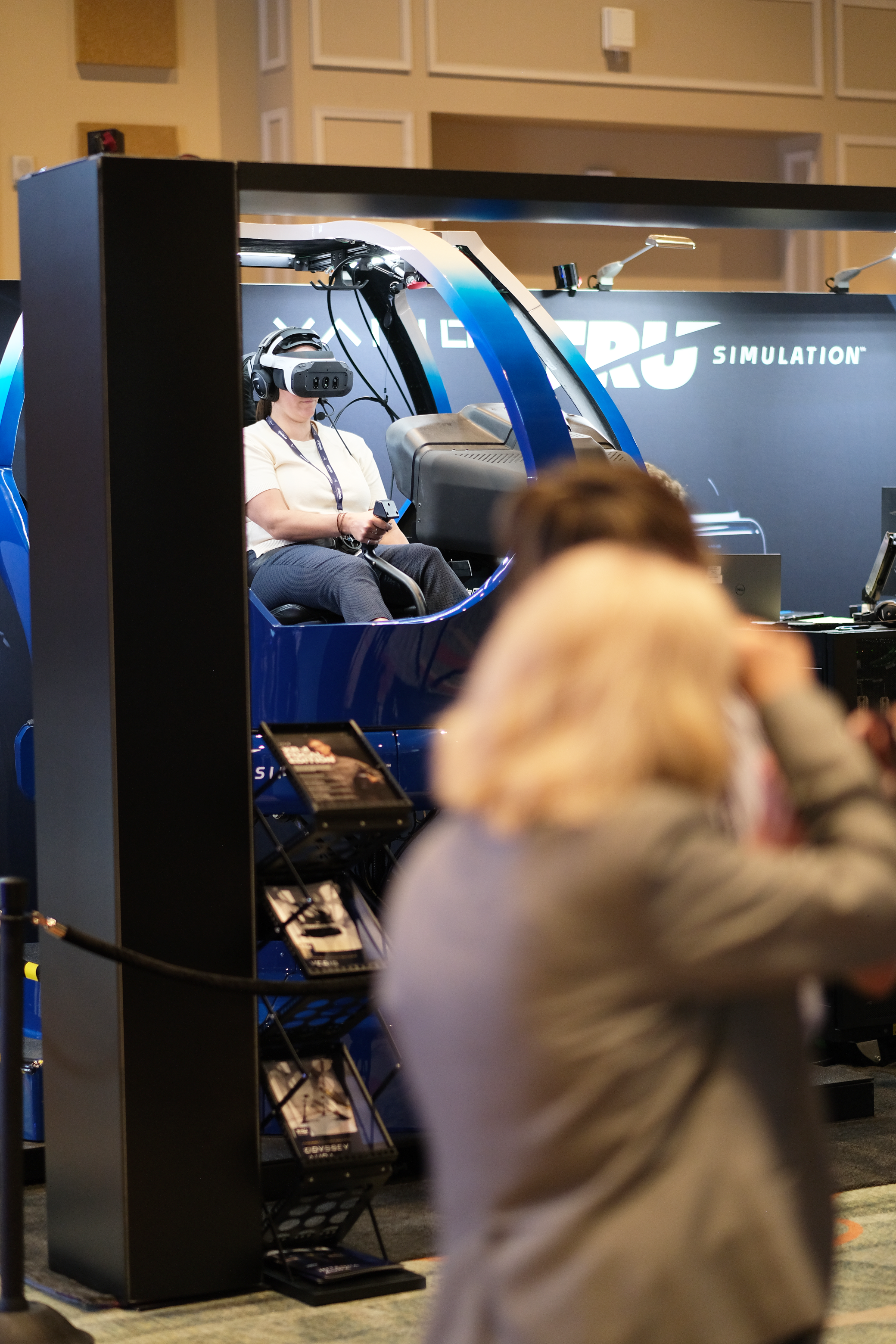
Equally important — though often less visible — is the design of efficient training flow within a facility. Thoughtful spatial planning can help segregate different user groups (such as administration, trainees, and active flight crew) while still enabling controlled points of interaction. This balance supports operational efficiency, reduces disruption, and enhances the overall training experience.
These considerations become even more complex when organizations expand within existing facilities or adapt existing buildings rather than develop entirely new sites.
Adaptation of Existing Facilities
One important point often overlooked in discussions of aviation training infrastructure is that successful projects are not always new construction.
In fact, some of the most effective and innovative training environments are facilities that already existed and were carefully adapted to support evolving operational needs. One of the more prominent trends discussed at WATS was the increasing shift toward retrofits, expansions, and adaptive reuse projects.
For many organizations, existing sites offer operational advantages — including proximity to airports, access to established markets, and integration into existing training ecosystems. At the same time, adapting these facilities introduces a different layer of complexity:
- Existing utilities may have limited capacity
- Structural systems may constrain future simulator configurations
- Construction phasing may impact active training operations
- Expansion space may be limited
There is also a growing emphasis on the consolidation and optimization of existing infrastructure assets. Re-investing in current facilities to improve building performance can lower long-term operational costs while extending asset life. Increasingly, organizations are approaching facility planning through a return-on-investment (ROI) lens, evaluating how upgrades and improvements can enhance both operational efficiency and financial performance.
As facilities evolve over time, long-term flexibility becomes even more important. In many cases, the decisions made during the earliest planning stages determine whether a project can scale effectively in the future.
Designing Beyond Immediate Needs
Aviation training facilities are long-term operational assets. The pace of technological change within the industry means these environments must be designed for adaptation — not just immediate occupancy.
This includes considerations such as:
- phased growth planning
- modular infrastructure strategies
- redundancy systems
- flexible support spaces
- future simulator integration
- operational continuity during expansion
Modern aviation training centres require careful alignment between simulation technology, building systems, operational flow, and long-term growth planning. The industry’s trajectory suggests that the ability to adapt — both physically and operationally — will only become more important in the decade ahead.
Continuing the Conversation
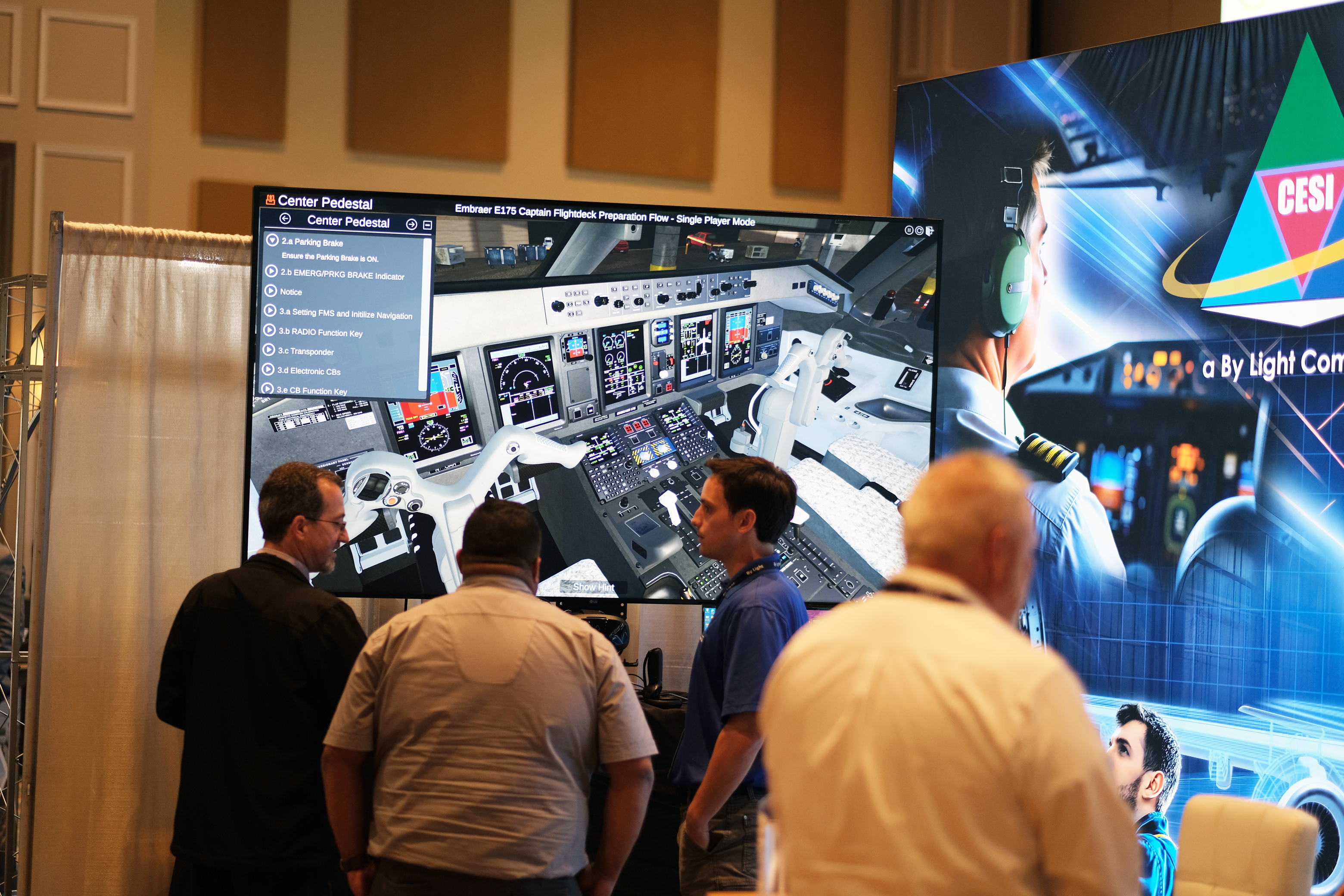
One of the most valuable aspects of WATS remains the opportunity to hear directly from the people navigating these challenges every day.
We appreciated the openness of the conversations this year and the willingness across the industry to discuss both opportunities and operational realities.
At Figurr, we continue to believe that bringing infrastructure, operations, and simulator requirements into the conversation earlier leads to better long-term outcomes — not only for buildings, but for the training environments and the people they support.
If you’re looking for support with your aviation training centre facility, we’d be glad to continue the conversation.